Affiliate advertising disclosure. GreenArmorSystem (greenarmorsystem.it.com) is a participant in the Amazon Services LLC Associates Program, an affiliate advertising program designed to provide a means for sites to earn advertising fees by advertising and linking to Amazon.com. We earn an advertising fee on qualifying purchases made through the links on this page, and the reader's price is unaffected. Full disclosure
Best Combined Smoke and CO Alarms for One Device on Every Ceiling
A combined smoke and carbon monoxide alarm replaces two devices with one, which means fewer units to mount, fewer batteries to track and one less chirp to chase at 2 a.m. This guide covers the best combined smoke and CO alarm options for three kinds of buyers: the homeowner replacing old hardwired units, the renter who wants a no-wiring solution, and the larger household that wants every alarm to sound together. Below you will find all five picks named up front, then a short review of each with the trade-offs we think matter.
First Alert SMICO100-AC is our pick for anyone with existing hardwired wiring, X-Sense SC07 is the strongest sealed-battery choice for a single room, First Alert SMCO100 is the no-frills battery model, X-Sense XP0H-WN is the best combined smoke and CO alarm for whole-home coverage in a three-pack, and First Alert’s 10-year battery model is the set-and-forget option for a house full of ceilings.
The short answer
If you have wiring in the ceiling already, buy the First Alert SMICO100-AC. It drops onto an existing hardwired mount, keeps a 9V backup for outages and gives you both sensors in one housing, so you are not paying an electrician twice.
If you have no wiring and want the most informative single unit, buy the X-Sense SC07. Its sealed battery is rated for a decade of service, the LCD shows you what the alarm is sensing, and it is certified to both the smoke and CO standards. Either way, check the current price at the link in each section before you commit.
First Alert SMICO100-AC hardwired combination alarm
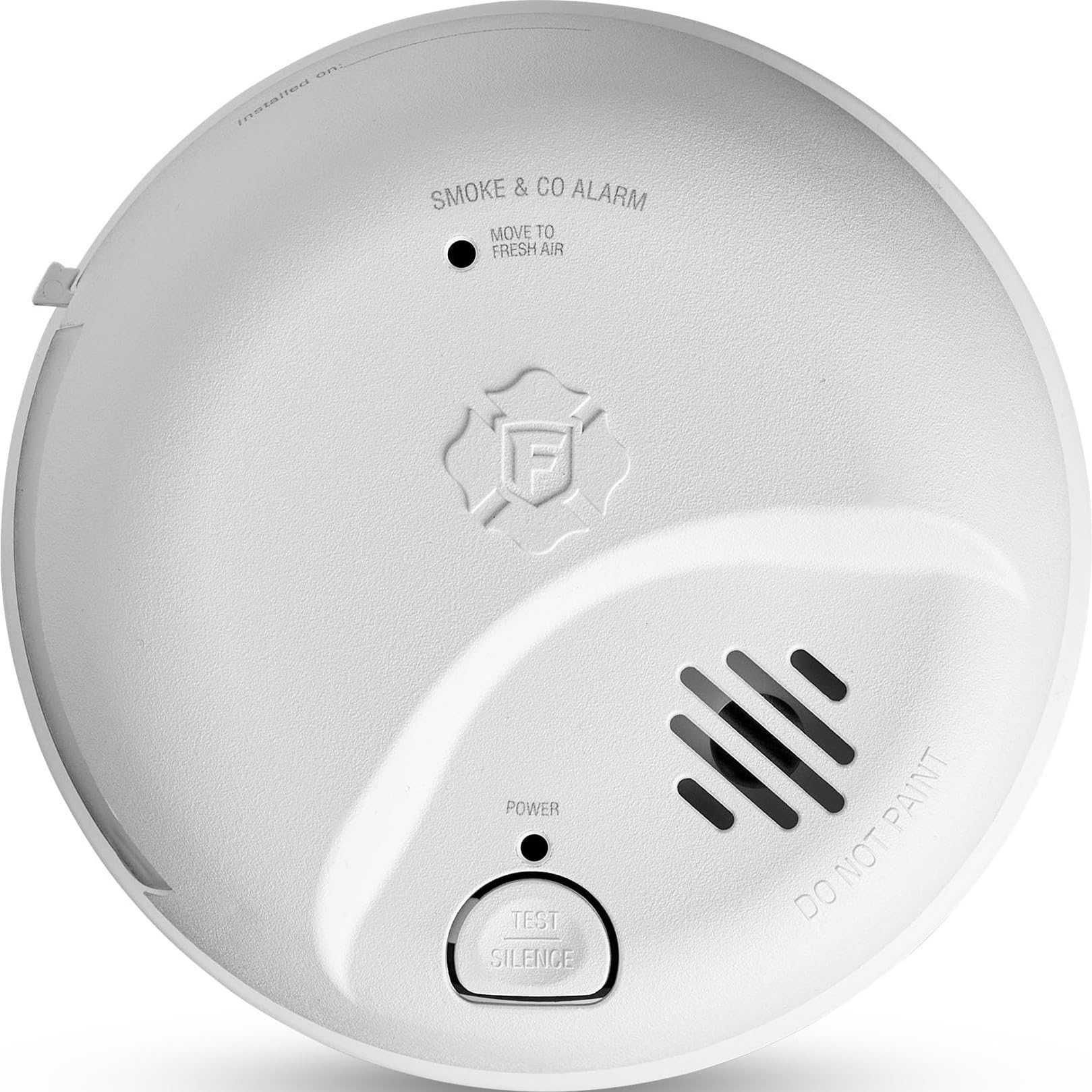
SMICO100-AC, 9V Battery Backup First Alert Hardwire Combination Smoke & Carbon Monoxide Alarm
Check the current price on Amazon
This is the model we point people to when a house already has smoke alarm wiring in the ceiling and the old units are past their service life. It runs on household power and holds a 9V battery in reserve, so it keeps watching the room during an outage, and it combines an ionization smoke sensor with an electrochemical CO sensor in a single round housing that matches a standard hardwired footprint. The backup battery is a consumable you will replace periodically, but it is a common size you can buy anywhere.
It earned its place because swapping a hardwired alarm is a screwdriver job, and this one lets you keep that convenience instead of patching drywall and switching the whole house to battery units. It suits homeowners, landlords refreshing a property and anyone whose local code expects mains-powered alarms. The caution is that it is only as good as the wiring behind it: if the old mount is loose, the circuit is dead or the interconnect line was never run, you get none of the benefits, so check the existing setup before ordering.
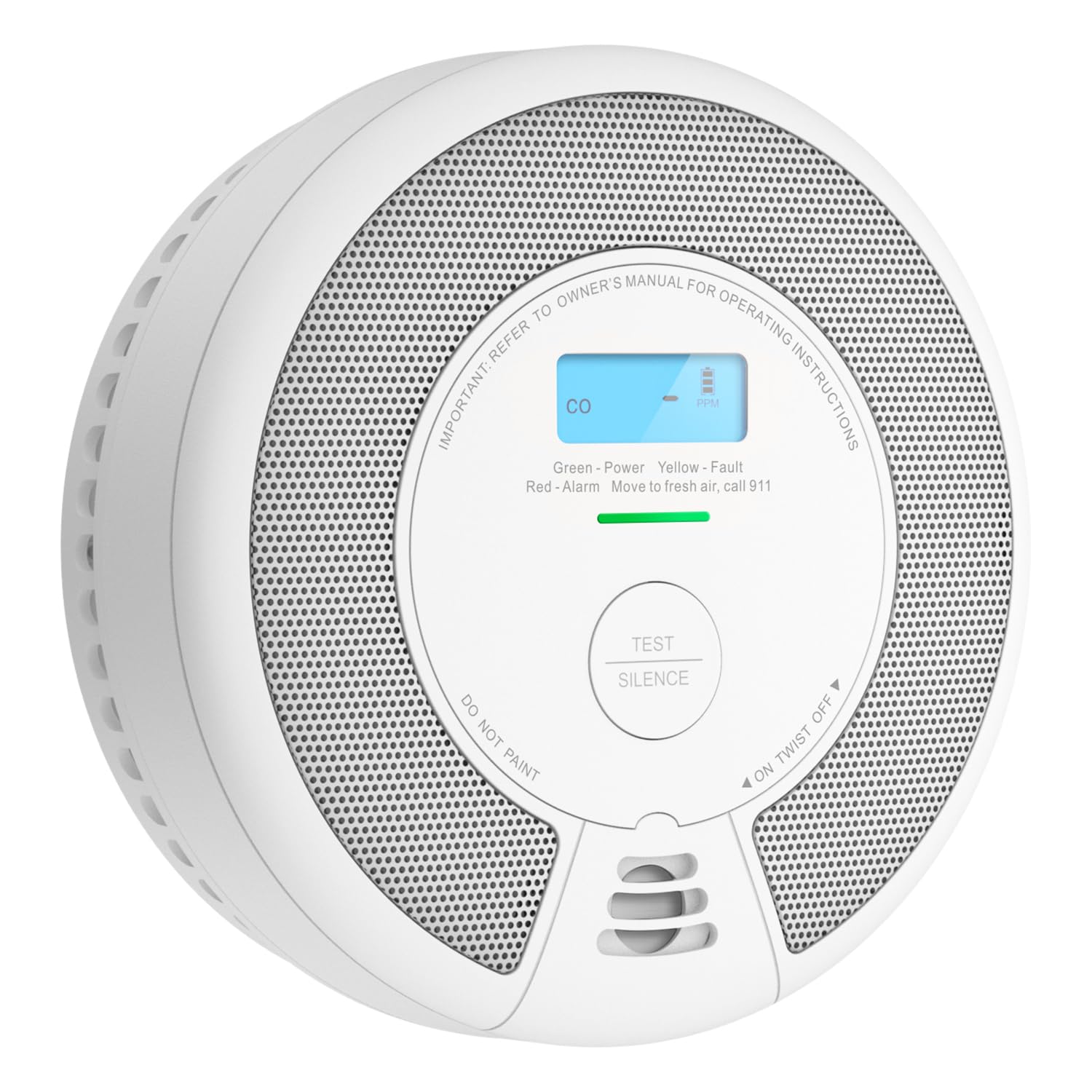
X-Sense SC07 sealed-battery alarm with LCD
Check the current price on Amazon
This is the pick for a renter or a homeowner who does not want to open a ceiling or call an electrician. The battery is sealed inside the unit and rated to last the life of the alarm, so there is no annual battery swap and no drawer of spares to keep, and the LCD gives you a readout rather than a bare beep when something needs attention. It carries certification to both the smoke and CO standards, which is the pair of marks we look for on any combination device.
It suits apartments, bedrooms, hallways and anyone who wants one unit to cover both hazards without wiring. The trade-off is the flip side of the sealed design: when the battery reaches the end of its service life, the whole alarm is retired and replaced rather than refreshed with a cheap battery, so the long-run cost is higher than a battery-swap model. The LCD is also a small screen, so do not expect a rich display in a dark hallway.
First Alert SMCO100 battery combination alarm

SMCO100 First Alert Battery Combination Smoke & Carbon Monoxide Alarm
Check the current price on Amazon
This is the straightforward battery-powered option: no wiring, no sealed cell, just a combination unit you mount and feed with batteries. First Alert is the name most people already have on their ceilings, so the chirp patterns and test button behavior will feel familiar if you are replacing an older unit of the same brand. It handles both smoke and carbon monoxide in one housing, which is the whole point of the category.
It suits a garage, a basement, a guest room or any spot where running power is more trouble than it is worth. It earned its place because it is simple to install and simple to live with, and the batteries are user-replaceable, so a single unit can serve for years with routine swaps. The caution is that a battery-only alarm depends on you remembering to change the cells on schedule; if you are the type who ignores a chirp for a week, a sealed ten-year model is a better fit.
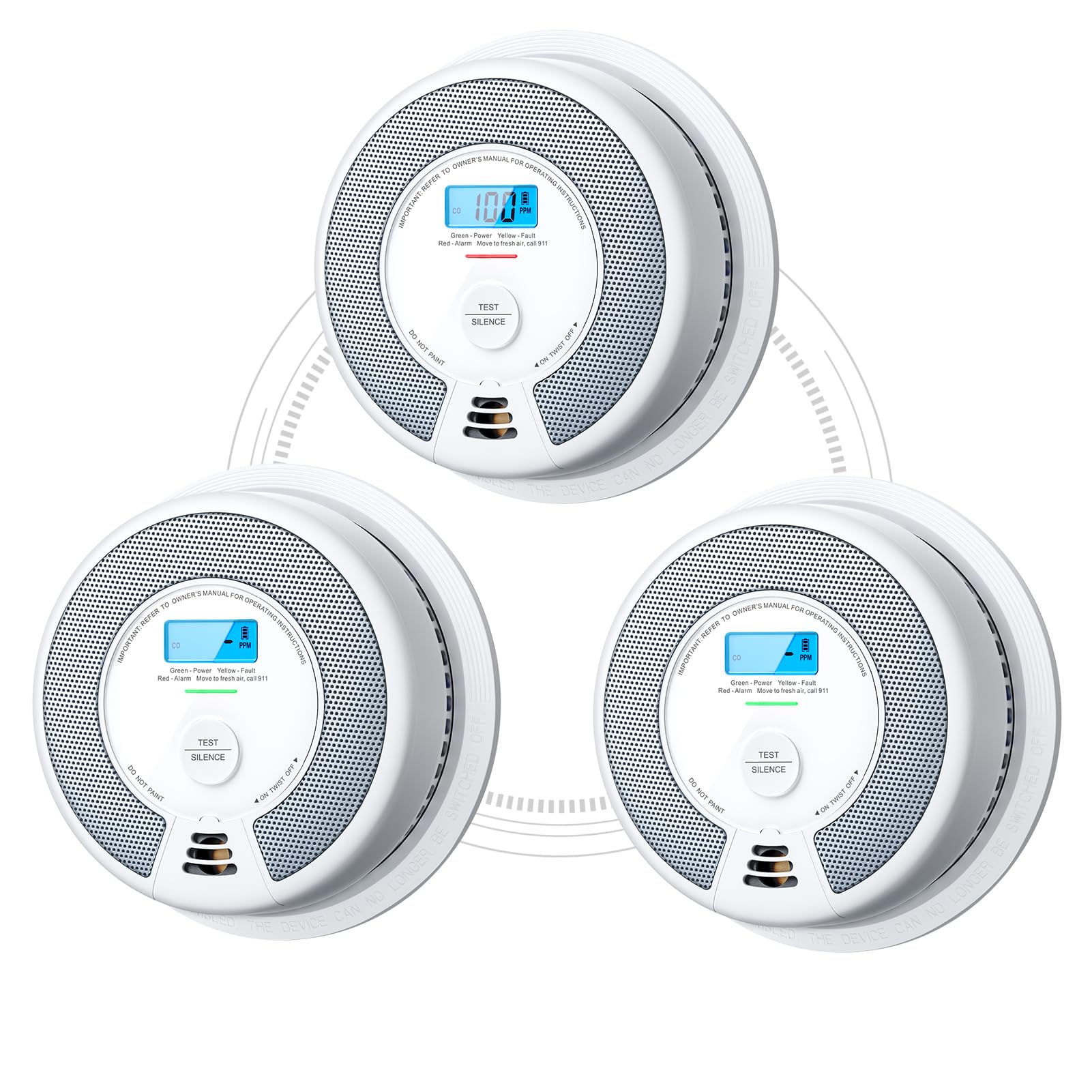
X-Sense XP0H-WN interconnected three-pack
Check the current price on Amazon
This is the best combined smoke and CO alarm for a whole floor or a small house, because the three units talk to each other without any wiring between them. When one detects smoke or CO, the others sound as well, which matters at night when a basement alarm is muffled by a closed door. Each unit runs on a sealed battery rated for a decade, and the larger mounting bracket is meant to cover the footprint of an older alarm you are replacing.
It suits families, multi-level homes and anyone upgrading from a collection of mismatched single alarms. It earned its place because interconnected protection is the single biggest upgrade most households can make, and doing it wirelessly avoids an electrician’s bill. The caution is that the three-pack locks you into a quantity; if you need four or five units to cover the house, you will be buying a second pack, and the sealed cells mean the whole set retires together when the batteries finally fade.
First Alert 10-year battery combination alarm

First Alert 10-Year Battery Combination Smoke & Carbon Monoxide Alarm
Check the current price on Amazon
This is the set-and-forget pick from the brand most households already trust. The battery is built to last the service life of the alarm, so you mount it, test it now and then, and otherwise leave it alone until the unit tells you it is finished. It covers smoke and carbon monoxide in one device, and it installs without any wiring at all.
It suits a hallway, a landing or a rental property where you want reliable protection without maintenance chores. It earned its place because it removes the most common failure in home safety: the alarm that was quietly disabled because the battery kept chirping. The caution is the same one that applies to every sealed unit: the purchase price buys the whole service life, so it costs more up front than a battery-swap alarm, and when the decade is up you replace the entire device rather than just the cell.
Buying guide
- Power source: decide first whether you are keeping existing hardwired wiring, going with a user-replaceable battery or choosing a sealed ten-year cell that retires with the alarm.
- Interconnection: if you want every alarm to sound at once, choose a set that links wirelessly; a single standalone unit protects only the room it sits in.
- Certification: look for a unit marked to both the smoke and carbon monoxide standards, since a combination device should be tested against both.
- Sensor type: combination units pair an ionization or photoelectric smoke sensor with an electrochemical CO sensor; the housing and the listing tell you what you are getting.
- Placement: you need coverage on every level of the home and outside sleeping areas, so count your ceilings before you choose a pack size.
- Maintenance: sealed models need a periodic test and nothing else, while battery models need a scheduled cell swap; be honest about which routine you will actually keep.
- Replacement date: every alarm has a service life, so note the manufacture date on the back and plan to replace the unit rather than stretch it.
Frequently asked questions
Can one device really detect both smoke and carbon monoxide?
Yes. A combination alarm houses two separate sensors in one body, one for smoke and one for carbon monoxide, and each triggers its own distinct alarm pattern. That is why the certification marks list both standards.
Do I still need separate alarms if I buy combination units?
You need coverage, not duplicates. Combination units let you cover both hazards with one device per location, but you still want an alarm on every level and outside each sleeping area.
How long does a sealed battery alarm last?
The sealed cell is rated to match the service life of the alarm itself, typically around a decade. When it expires, the whole unit is replaced rather than opened up for a new battery.
Can I add interconnected units later?
Only if the model supports it and you buy matching units. Wireless interconnect works within a family of compatible alarms, so plan the whole set before you start mounting.
Where should a combination alarm go?
On the ceiling or high on the wall in hallways, living areas and outside bedrooms, plus one on each level including the basement. Keep it away from steamy bathrooms and cooking fumes to avoid nuisance alarms.
Is a hardwired alarm better than a battery one?
Hardwired is better where wiring already exists, since it never depends on a cell for primary power. Battery models are better where there is no wiring, and a sealed battery removes the maintenance chore entirely.