Affiliate advertising disclosure. GreenArmorSystem (greenarmorsystem.it.com) is a participant in the Amazon Services LLC Associates Program, an affiliate advertising program designed to provide a means for sites to earn advertising fees by advertising and linking to Amazon.com. We earn an advertising fee on qualifying purchases made through the links on this page, and the reader's price is unaffected. Full disclosure
Kidde Compact Smoke Detector, AA Battery-Powered, 10SDR | 4-Inch Smoke Alarm with LED Status Lights, Loud 85 dB Alarm, Ideal for Homes and Small Spaces
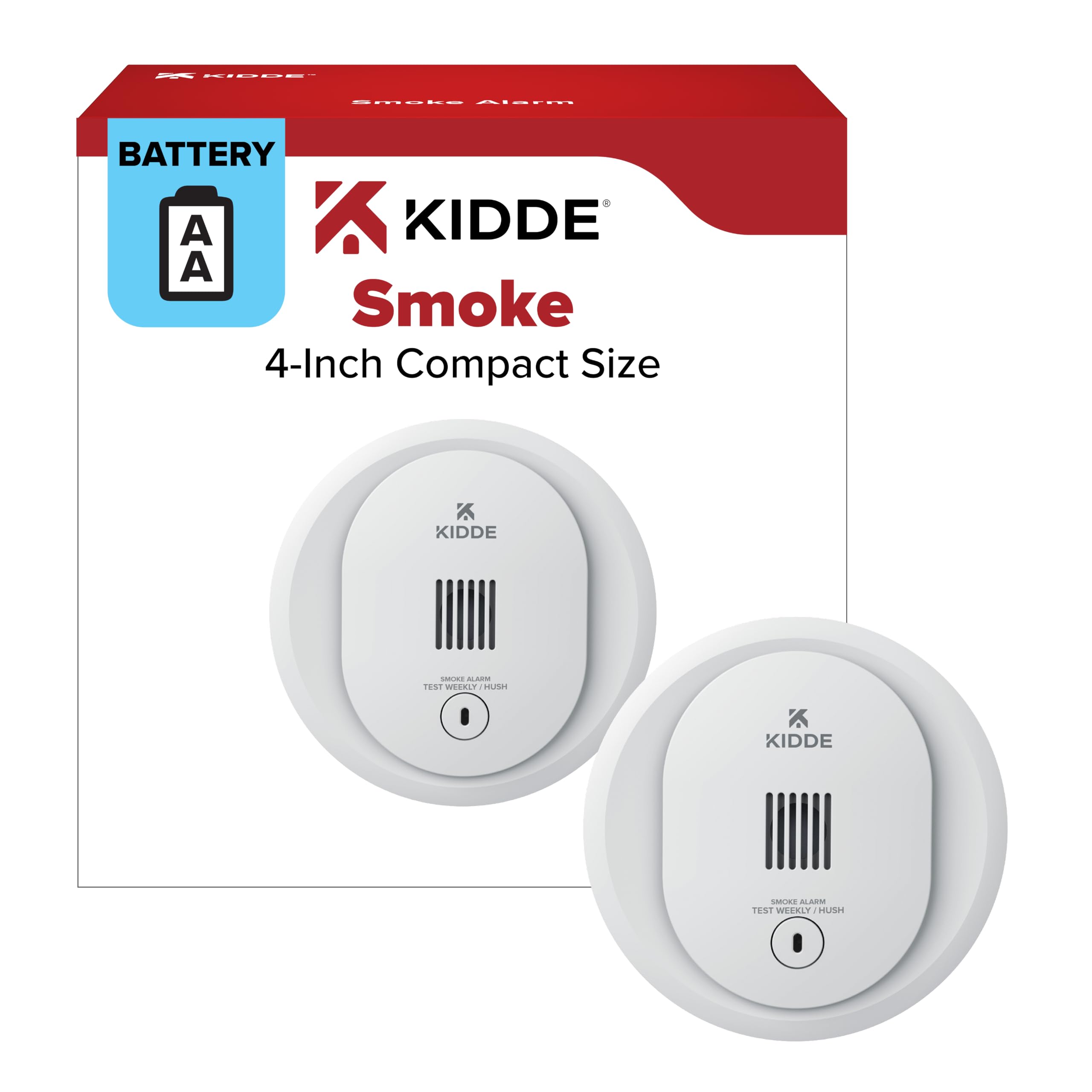
If you need a straightforward smoke alarm that fits tight spots without looking like an eyesore, the Kidde 10SDR deserves a close look. We wrote this review for anyone juggling a small apartment, a hallway with low clearance, or a rental where you want reliable protection without a complicated install. We cover what this compact detector does well, where it makes compromises, and the questions buyers usually ask before adding it to their cart.
Smoke detectors are easy to overthink, but the Kidde 10SDR keeps things simple. This is a battery-powered unit with a 4-inch profile, LED status lights, and a loud 85 dB alarm that is built for homes and smaller areas. Below, we break down the specs, the real-world trade-offs, and whether this is the right alarm for your space.
The short answer
For anyone who wants a dependable, no-wire smoke alarm that disappears into the ceiling or wall, the Kidde 10SDR is our pick. It runs on a single AA battery, so there is no hardwiring required, and its compact footprint means it fits into closets, hallways, campers, and other tight areas where bulkier units look out of place. The LED status lights give you a quick visual check that the unit is powered and working, which removes the guesswork from monthly testing.
The trade-off is that this is a straightforward ionization-style alarm suited for general use, not a premium smart detector with voice alerts or phone notifications. If your only goal is code-compliant, affordable protection in a small footprint, this unit does the job cleanly. If you want interconnected alarms or app control, you are looking at a different product category entirely.
Key features and specifications
Before we get into how the Kidde 10SDR behaves in real rooms, here is what the product name tells us and what that means for you.
| Attribute | Detail |
|---|---|
| Brand | Kidde |
| Model | 10SDR |
| Type | Compact smoke detector |
| Power source | AA battery-powered |
| Diameter | 4 inches |
| Alarm loudness | 85 dB |
| Status indicator | LED status lights |
| Intended use | Homes and small spaces |
| Mounting | Surface mount (wall or ceiling) |
The 4-inch diameter is the headline feature here. Most standard smoke detectors measure around 5 to 6 inches across, so this one shaves off a noticeable amount of visual bulk. The AA battery power means you are not tied to existing wiring, which makes it a strong candidate for older homes, sheds, or anything you want to protect without calling an electrician.
Why the compact size matters more than you think
Most people do not realize how much a standard smoke detector sticks out until they try to mount one in a tight hallway or near a door that swings close to the wall. The Kidde 10SDR answers that problem with its 4-inch body. It sits closer to the surface and covers less visual area, which is a genuine advantage in manufactured homes, small entryways, and even boats or RVs.
That smaller footprint does come with a consideration. A compact alarm typically has its sensor elements packed closer together, and while Kidde designs these units to meet standard detection expectations, a larger unit with a bigger sensing chamber may respond marginally faster in some open-area scenarios. For a bedroom, hallway, or living room of typical size, the difference is academic. For a sprawling open-concept great room, you may want to supplement this unit with additional detectors placed strategically.
How long will the battery last and when do you change it?
The Kidde 10SDR runs on a single AA battery, which is one of the most common formats in the world. That is good news for replacement cost and availability. The unit uses LED status lights to communicate its state, so you get a visual cue rather than relying solely on the chirp to tell you the battery is low.
We cannot quote a specific battery lifespan because that depends on the brand of AA you install and the ambient conditions of your home. What we can say is that a fresh alkaline AA in a modern Kidde detector typically delivers a long service life, and the low-battery chirp will alert you well in advance. We recommend testing the alarm monthly and replacing the battery at least once a year as a habit, ideally when you change your clocks.
The one drawback here is that there is no sealed 10-year battery like some competing models offer. That means you will need to remember to swap the AA occasionally. For some buyers, that is a dealbreaker because a sealed unit removes all maintenance. For others, the ability to replace a standard battery in seconds without buying a whole new detector is actually the more convenient option.
The 85 dB alarm: loud enough for your home
The 85 dB rating puts this alarm squarely in the range that is designed to wake a sleeping person and be heard through a closed door. It is not the loudest alarm on the market, and it is not meant to be. Some premium units push toward 100 dB, but those are often overkill for standard residential rooms.
What 85 dB gives you is a clear, piercing tone that cuts through typical household noise. In a small apartment or a single room, it is more than sufficient. In a larger two-story home, the sound should still travel, but you will want to make sure you have detectors positioned between sleeping areas and the rest of the house. If you have significant hearing loss or very thick walls, you may want to consider an alarm with a strobe light or a higher-decibel output.
LED status lights: the feature you will appreciate at 3 a.m.
The LED status lights on the Kidde 10SDR are not just decorative. They serve a practical purpose. A steady or blinking light pattern tells you at a glance that the unit is receiving power and that the internal electronics are functioning. This is especially useful in a battery-powered alarm, where the most common failure mode is a dead battery that nobody notices until it is too late.
The visual indicator also helps during installation. When you mount the unit and insert the battery, the LED gives you immediate confirmation that the alarm is live. That is a small thing, but it makes the initial setup feel more trustworthy. The only downside is that if you mount the detector in a spot that is hard to see, the LED is not much help. For that reason, we suggest installing it where the light is visible from the floor, such as a hallway ceiling that you walk under regularly.
Installation: genuinely simple for any DIYer
Because this is a battery-powered unit, installation is about as easy as it gets. You mount the base plate to the ceiling or wall with the included hardware, attach the alarm head, and insert the battery. There are no wires to connect, no junction boxes to worry about, and no need to turn off power at the breaker.
That simplicity makes the Kidde 10SDR a strong choice for renters who want protection without permanent modifications, or for homeowners adding extra coverage to a garage, attic, or basement. The compact body also means you can mount it on a wall where a larger unit would look awkward, as long as you keep it at the recommended distance from corners and air vents.
The trade-off is that battery-powered alarms require you to be disciplined about testing. A hardwired unit at least has a constant power source, so the only failure point is the backup battery. With this unit, the AA battery is the sole power source, so a dead battery means a dead alarm. Again, the LED status light helps, but nothing replaces a monthly test.
Where the Kidde 10SDR fits best
This detector shines in spaces where a standard alarm feels oversized. Think of a narrow hallway between bedrooms, a small laundry room, a compact apartment, or even a tiny house. The 4-inch profile sits flush enough to be unobtrusive, and the white finish blends with most ceilings.
It is also a sensible pick for secondary coverage. If you already have hardwired alarms in the main living areas, adding a couple of these to a basement workshop or an attic bedroom extends your protection without requiring new wiring runs. Because they are inexpensive, you can buy several without straining your budget.
Who should look elsewhere
If you want a fully interconnected system where triggering one alarm sets off every unit in the house, this is not it. The Kidde 10SDR operates as a standalone detector. It will not communicate with other alarms, so you will not get the whole-home warning that a linked system provides.
Similarly, if you prefer a smart detector that sends alerts to your phone, or one with voice announcements that tell you which room is affected, this compact model is too basic for your needs. This is a no-frills safety device, and that is exactly its appeal. It detects smoke, makes a loud noise, and tells you its status with a light. If you need more than that, expect to pay more and deal with a larger footprint.
Pros and cons
| Pros | Cons |
|---|---|
| Compact 4-inch design fits tight spaces | Standalone unit, no interconnectivity |
| Runs on a common AA battery | Battery needs periodic replacement |
| LED status lights show power at a glance | 85 dB is adequate, not the loudest available |
| Simple DIY installation, no wiring needed | No smart features or phone alerts |
| Affordable price point for multiple units | Visual LED is only helpful if you can see it |
Questions buyers ask
Does the Kidde 10SDR come with a battery included?
Most retail listings for this unit include the AA battery needed for operation, but we always recommend checking the product page and any included documentation when your order arrives. If you are not sure, it is wise to have a fresh AA on hand anyway, since you will eventually need a replacement.
Is the 10SDR an ionization or photoelectric smoke detector?
The product name does not specify the sensing technology, so we cannot confirm which type it uses. What we can say is that Kidde manufactures both types across their lineup, and this compact model is positioned as a general-purpose residential alarm. If you want a specific sensing technology, look for a model that explicitly states it in the name or description.
How do I test this smoke detector?
Testing is straightforward. Press and hold the test button on the unit and listen for the alarm to sound. If you hear the 85 dB tone, the unit is working. We suggest testing monthly and after any battery change. The LED status light should also indicate that the unit is powered during normal operation.
Where should I install this detector?
Install it on the ceiling or high on a wall, away from corners, air vents, and windows where drafts could interfere with smoke reaching the sensor. For a single unit, place it in the hallway outside sleeping areas. In a small apartment, a central ceiling location is usually the best bet.
How long does the battery last?
We cannot give an exact figure because battery life depends on the brand and type of AA battery you use, as well as ambient temperature. A quality alkaline battery in a modern detector generally lasts a long time, but you should replace it at least once a year and test monthly to be safe.
Can I use this in a camper or RV?
Yes, the compact size and battery power make it a natural fit for RVs, campers, boats, and tiny homes. Just make sure you follow the manufacturer’s guidance on mounting location and avoid areas with extreme temperature swings.
Does this alarm detect carbon monoxide?
No. This is strictly a smoke detector. It will not alert you to carbon monoxide, natural gas, or propane. If you need combined protection, look for a combination smoke and carbon monoxide alarm instead.
What does the LED status light mean?
The LED light indicates the unit is receiving power and functioning. A specific blink pattern or a steady light tells you the alarm is armed. When the battery runs low, the unit will typically chirp, and the LED behavior may change to signal that it is time for a fresh battery.
How loud is the alarm?
The alarm is rated at 85 dB, which is loud enough to be heard clearly in the room where it is installed and to wake a sleeping person nearby. It is not the most powerful alarm available, but it meets the needs of a typical home environment.
Is this detector suitable for a bedroom?
Absolutely. In fact, a bedroom is one of the best places for a smoke detector. Mount it on the ceiling or high on the wall, and make sure the alarm is audible from your sleeping position. The compact size makes it less intrusive in a bedroom than a larger unit.
Final thoughts on the Kidde 10SDR
The Kidde 10SDR earns its place in any home that values simplicity and compact design. It covers the essentials, delivers a loud alarm when it matters, and does not require an electrician or a complicated setup. For small spaces, secondary coverage, or anyone who wants a dependable battery-powered unit, this is a smart buy.
The limitations are clear: no smart connectivity, no interconnectivity, and a battery you will need to replace periodically. But those are the trade-offs you accept for a low-cost, low-profile detector that does exactly what it promises. If you want a no-nonsense smoke alarm for a tight spot, check the current price on Amazon and see if it fits your space.
Check the latest price for the Kidde Compact Smoke Detector on Amazon